

How to Pass the Motorcycle Practical Test
The motorcycle practical test is divided into two modules. Candidates must use the same sub-category of machine for both modules.
Module 1 will ask you to drive in traffic. You will also be required to demonstrate an eight figure, a U-turn and general cornering.
You will be required to complete approximately 10 minutes of your own riding, with the examiner following you giving you directions on the radio. This will help determine how you make decisions when riding.
On-road
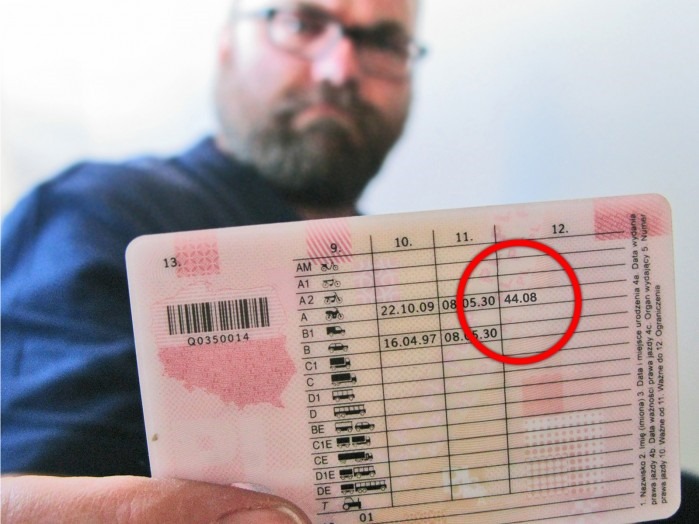
You must ensure that you and your motorcycle are ready prior to taking the test. This means that you have all of the correct documentation and that your motorcycle meets the safety requirements. Failure to do so will mean that your test won't go ahead and you will lose your money.
During the part on the road of your exam, you'll be required to perform various maneuvers under different road and traffic conditions. Your examiner will provide steps-by-step instructions. The majority of these tests are based on the ones you have already practiced during your Compulsory Fundamental Training. These include U-turns, figure of eights and general cornering, in addition to emergency stops and hazard avoidance. You will also be expected to be capable of dragging your bike and place it on its stands.
The Module 1 of your CBT will be similar to the on-road portion of your test, which will last approximately 20 minutes. The only difference is you cannot make more than 5 mistakes by a rider. If you do, you'll fail the test.
It is possible to pass the on-road part of your test by completing a recognized Motorcycle Skills Course. These courses are taught by qualified instructors over a few days. Google can assist you in finding a course in your local area. Some of these courses offer the bike and other equipment needed to take your test. Some insurers offer discounts on insurance premiums by having completed a reputable Motorcycle Skills Course.
After you have successfully completed all of your road activities, your examiner might request you to demonstrate a few vehicle safety checks and to answer questions about riding techniques. The examiner will require you to demonstrate how to operate the controls, as well as how to make an emergency stop. The examiner will then score your performance. You should receive an explanation in writing of your performance following the test.
The majority of states require that learners must be 18 or 21 years old to take the motorcycle road test. Certain states require learners to keep track of their supervised riding time while other states have specific rules about the time and place they can practice.
Off-road
You'll need to record some practice hours under supervision while learning to ride a bicycle. This varies by state, but you'll likely need to practice on the road and in other areas that aren't open to traffic (like parking lots or private tracks). It is also a good idea to attend your test with your motorcycle fully prepared. The test usually requires you to demonstrate that you can operate the bike correctly under different conditions, including surfaces with low traction like gravel or dirt.
The road test you take is likely to require a few figure eights and turning and stopping and reverse the bike. You won't be able to pass the test if you cannot execute these maneuvers under pressure. You'll be tested on your ability to keep a safe distance from other vehicles, make appropriate signals and avoid causing danger.
Off-road riding may be part of the skills test. This could include riding over rough terrain or navigating obstacles, such as dips or ruts in the road. Many riders are worried about this part of the test due to the fact that they worry about losing control and falling off their motorcycle. With practice and training, you will be able ride over difficult terrain confidently.
Certain states require that you undergo a motorcycle safety class in order to take the skills test. You can reduce time by avoiding the on-road observation section. However, you must be able to pass other parts of the test, such as a written exam and a riding skill assessment.
The MSF offers a motorcycle-related course that will assist you in preparing for the off-road section of your test. The course covers 12 key riding skills for off-road environments, including body positioning and rider-active control techniques. The course also includes riding and discussion on a dirt training area, allowing you to learn to operate your motorcycle in low-traction conditions. The course could allow you to skip the observation on-road section of your test and lower your insurance rates according to your state.
Safety
It's easy to ride a bike but riding a motorbike requires more thought and practice. If you aren't prepared to face the physical demands of riding a motorcycle or haven't received adequate training, you could be more susceptible to serious injury or death. This is why it's important to know the fundamentals of safe biking and how you can apply them to real-world driving situations.
Millions of motorcyclists prove that every day. Bicycling is a great enjoyable, safe and rewarding pursuit. Even the most experienced motorcyclists could be in trouble if they do not follow some basic safety precautions.
Safety should be your number one priority prior to, during, and after a driving test. Before you take your practical driving test it is essential to wear the right PPE (personal protective equipment), weather gear and communication device. The examiner will not let you begin the test if you don't meet these requirements.
Wearing high-end brightly colored, reflective or brightly colored riding gear is the most effective way to ensure your safety and that of others. Included are heavy-duty gloves, jackets, and shatterproof eye protection. Check to see if your bike is equipped with a light and horn. Always be sober when driving. Drugs and alcohol can impair your judgement and make it difficult to operate a motor car safely.
A Defensive Driver course will help you anticipate and avoid dangerous driving situations. This can reduce the risk of a crash and the repair and maintenance costs that accompany it. To find a Defensive Driver Course near you, visit NSC's InjuryFacts website or call MSF.
You must be able to pass Module 1 of the practical test before you are able to take Module 2. It's recommended to book the tests at different times because, if you fail Module 1 you'll need to wait for three days before you can retake it. Also, scheduling your modules too close together will result in stressing yourself out and make mistakes because of anxiety. Be patient until you're ready prior to taking the test.
dokumenty do prawa jazdy a1 and answers section of the written motorcycle test is designed to test your ability to read road signs, comprehend the rules of motorcycles and apply your skills in riding. Your test taker will ask you 25 multiple-choice questions. They will be based on the information of the New York Motorcycle Operator's Manual.
It is not allowed to bring your manual with when you enter the exam area, however it must be well-known to you to answer all the questions correctly. The test isn't easy and you need to comprehend every single concept in the manual in order to pass with flying scores.
Your examiner will verify your tyre and oil pressures, and ensure that the bike is in good working condition prior to starting the test. They will also make sure whether you're using the proper hand signals when changing lanes, or performing important road maneuvers. Your examiner will also want to determine if you are able to make a U-turn and travel through a dangerous zone.
Your examiner will mark down any mistakes you make if not able to complete the exercises in full. You will be graded on three aspects of your riding and will give you A grade 1 for all errors (which don't affect your overall test result) and two grades for a particular aspect of your riding, and a grade 3 for any serious error such as not making an lane change or riding in the wrong direction on the road.
If you are trying to prepare for the written motorcycle test but don't have your own motorcycle It is possible that the class you take or the training firm you work with will provide one for you to use during your tests. You must be comfortable with the vehicle you will be using. It is essential to practice a lot on the test bike prior to taking your road test. You should also have a sufficient insurance coverage for the motorcycle that you will be using.